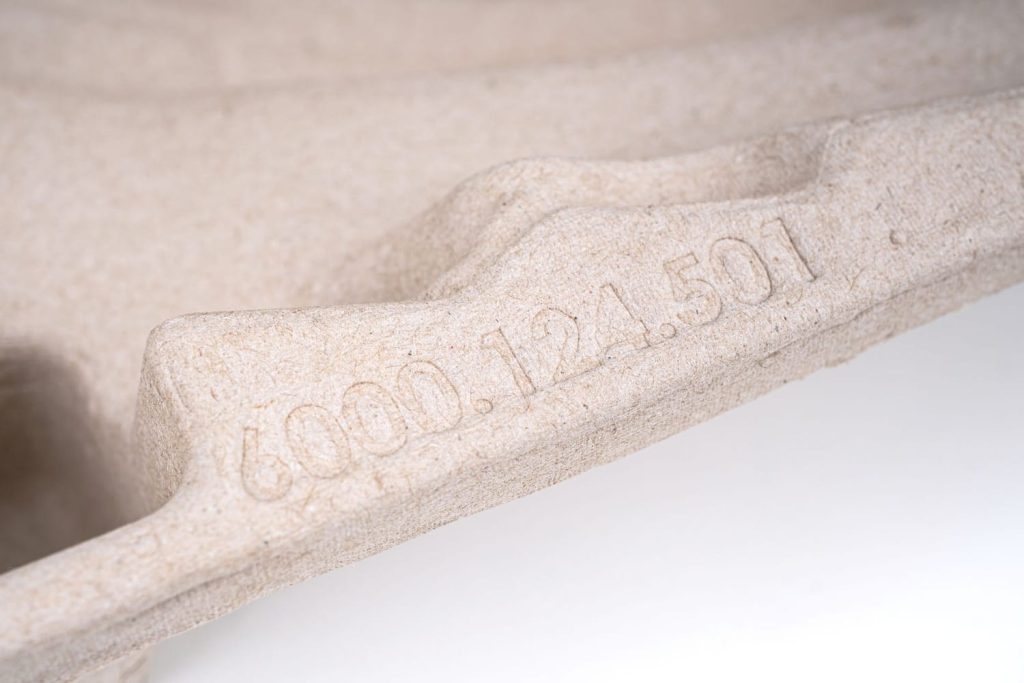
In a world drowning in plastic, moulded pulp packaging is a refreshingly low-tech, high-impact solution. It’s not new, but it’s getting a serious upgrade — and for good reason. Brands looking to cut waste without sacrificing protection are turning to pulp. Let’s break down what it is, why it matters, and where it’s headed.
What is Moulded Pulp Packaging?
Moulded pulp (or molded fibre) packaging is made from recycled paper, cardboard, or other natural fibres like bamboo or sugarcane. It’s formed into shapes using heat and pressure — think egg cartons, but also custom-fit inserts for electronics, cosmetics, wine bottles, and more.
There are four main types:
- Thick-Wall – Durable, rough-textured, ideal for industrial uses.
- Transfer Moulded – Used for egg trays and similar light applications.
- Thermoformed – Smooth finish, high precision; great for retail packaging.
- Processed Pulp – Enhanced with coatings or treatments for added performance.
Why It’s Gaining Ground
1. Eco-Friendly as Hell
Let’s be real — plastic is cheap, but it’s also toxic to the planet. Moulded pulp is made from recycled materials and is 100% compostable and biodegradable. It decomposes naturally without needing a chemical afterlife.
2. Customizable and Protective
Don’t let the word “pulp” fool you. This stuff is tough. It can be engineered to absorb shock, resist moisture (with the right treatment), and cradle delicate items like electronics or glass. It competes directly with expanded polystyrene (EPS) and vacuum-formed plastic.
3. Cost-Effective at Scale
Upfront tooling costs can be higher than plastic, but once molds are made, production is cheap. Especially when you factor in the savings from lighter shipping weights and reduced need for plastic fillers.
4. On-Trend for Branding
Consumers care about packaging more than most companies realize. A sleek, biodegradable tray inside your box sends a strong message: “We give a damn.” It’s not just greenwashing — it’s design that aligns with values.
Where It’s Used
- Electronics – Laptops, phones, and headphones often come packed in custom-moulded trays.
- Cosmetics & Health – Replacing plastic clamshells with smooth, white thermoformed pulp inserts.
- Food & Beverage – Takeout trays, drink carriers, and premium bottle packaging.
- Industrial & Medical – Durable forms for toolkits or sterile instrument packaging.
Limitations? Yeah, A Few.
- Water Sensitivity – Unless treated, pulp isn’t waterproof. Good for dry goods, not great for soggy situations.
- Appearance – Raw pulp looks rough, which may not work for premium branding unless thermoformed.
- Tooling Time – Creating new molds takes time and money upfront.
But the trade-off? You’re ditching single-use plastic and embracing a circular economy material that consumers increasingly prefer.
The Bottom Line
Moulded pulp isn’t just a trend — it’s a smart pivot toward sustainable, scalable packaging. If you’re shipping products and still using foam or plastic, now’s the time to rethink. Because the future? It’s looking a lot more fibre-based.