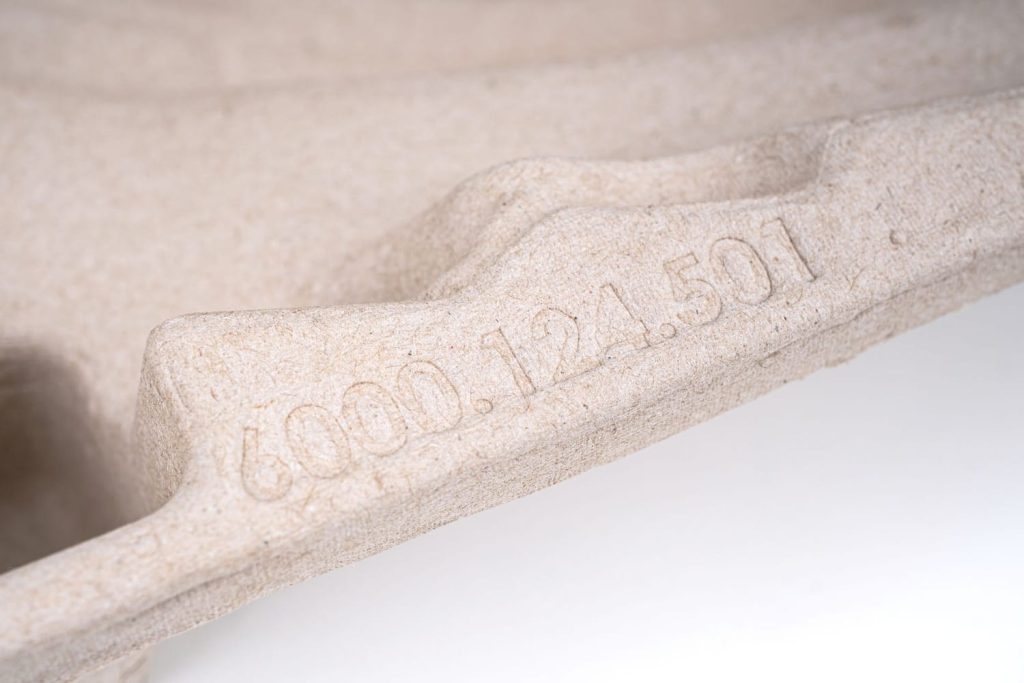
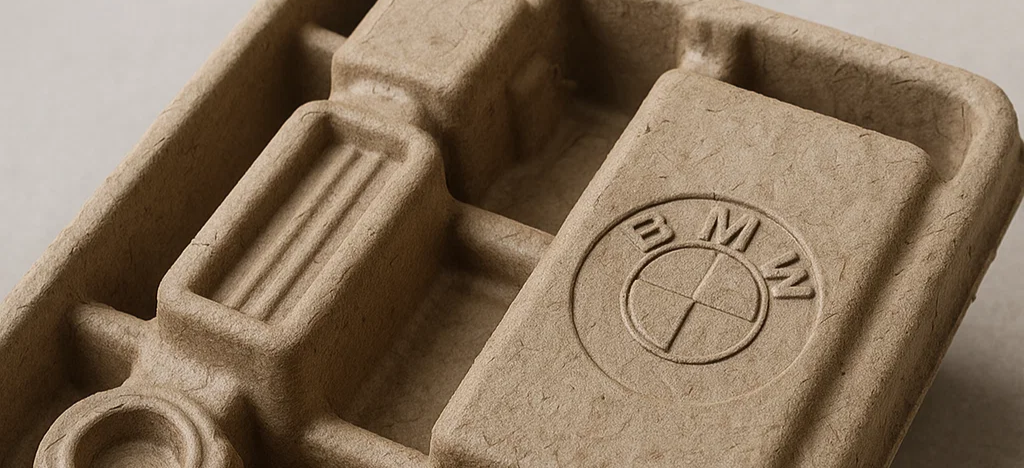
In the evolving landscape of industrial packaging, one material has steadily gained traction: moulded pulp packaging. Known for its functional reliability, environmental benefits, and adaptability to a wide range of applications, moulded pulp is no longer seen as a niche solution. It’s fast becoming a standard across sectors like electronics, home appliances, automotive components, and beyond.
If you’re a CEO, purchasing manager, project manager, or packaging engineer evaluating alternatives to plastics or expanded polystyrene, this article explores why moulded pulp products could be the practical, cost-conscious choice for your business.
1. What Is moulded pulp packaging?
Moulded pulp packaging, also called moulded paper pulp packaging or moulded cardboard packaging is made from either recycled paper pulp or virgin fibres. It’s formed into protective packaging using heated moulds and is commonly used for trays, inserts, clamshells, and protective cushioning.
There are three main production types:
Dry press: (traditional moulded pulp): used for egg cartons, fruit trays, and industrial parts.
Wet press: smoother finish, better dimensional tolerance.
Thermoformed pulp: precision-grade, suited for high end applications where fit and finish matter.
Compared to EPS foam or plastic packaging, pulp packaging delivers similar protective performance with easier end-of-life disposal options. It’s also far less reliant on fossil fuel-based resources.

2. Sustainability without the greenwashing
Environmental responsibility is not just a marketing angle. It’s becoming a procurement standard in Europe.
Moulded pulp packaging stands out by offering genuine sustainability benefits:
• It’s fully recyclable in existing paper streams.
• Most pulp products are biodegradable and compostable without requiring special facilities.
• Made from renewable resources such as recycled paper pulp or responsibly sourced virgin pulp.
Moulded pulp packaging aligns with EU packaging regulations, including the Packaging waste directive and the Single-use plastics directive, making it a future-ready option for companies looking to stay compliant while reducing environmental impact.
And unlike materials that only “appear green,” moulded paper packaging is proven to break down naturally and doesn’t leave microplastics behind.
3. Performance and protection in industrial use
Let’s be clear. Environmental value means nothing if your product arrives damaged.
Here’s where moulded pulp trays and inserts truly deliver. Designed to conform to the product’s shape, they provide shock absorption, vibration dampening, and impact resistance without the need for synthetic foams.
Applications where performance matters:
• Automotive components: delicate parts secured with custom-fit moulded pulp trays.
• Consumer electronics: moulded pulp inserts offer dense, protective cradles for devices.
• Medical or industrial instruments: secure compartments that hold items firmly in place.
Moulded pulp can also be treated for moisture resistance and withstand reasonable temperature fluctuations, both important factors in long-haul European logistics.
4. Design flexibility and supply chain efficiency
One of the reasons custom moulded pulp packaging is gaining Favor in industrial settings is its flexibility.
Products are formed to fit exact specifications, reducing the need for additional wrapping or padding. And because the design is built in the mould, every unit is identical, making it ideal for automated packing lines.
Added benefits:
• Nesting: Moulded pulp trays can be stacked inside each other, saving warehouse space.
• Weight reduction: Lighter than many alternatives, helping reduce shipping costs.
• Material consolidation: Eliminates the need to source multiple materials (e.g., bubble wrap + box + filler).
• With modern production techniques, even low- to mid-volume runs of custom moulded pulp can be produced with fast lead times and cost control.
5. Key considerations for buyers
Switching to moulded pulp doesn’t happen overnight. Here’s what you need to consider when evaluating suppliers and solutions:
Tooling: A one-time mould cost is typical for custom trays, but it pays off quickly with volume production.
MOQ (minimum order quantities): Varies by design and manufacturer.
Lead time: Generally, ranges from 4 to 8 weeks for new moulds, faster for repeat orders.
Design process: Most suppliers can work from CAD drawings, physical samples, or basic dimensions.
Tip: Involve packaging engineers early in the design process to align dimensions and avoid costly late-stage changes.
6. Real world use
Across Europe, more industrial sectors are embracing moulded paper pulp because it fits both operational and sustainability goals.
• Home appliances: Custom-fit inserts for coffee machines, water filters, or fans eliminate foam entirely.
• Automotive: Delicate sensors, connectors, or coated metal parts are protected during transit and warehousing.
• Industrial electronics: From cables to control units, moulded pulp ensures products are separated, cushioned, and stackable.
And as regulations tighten around plastic use, even more manufacturers are initiating a transition to moulded pulp packaging as part of their long-term procurement strategy.
7. Is moulded pulp packaging right for your business?
If you’re evaluating alternatives for industrial product protection, here are signs moulded pulp is a fit:
• You ship fragile, shaped, or high-value items.
• You’re looking to replace EPS, plastic inserts, or excess cardboard.
• You want to meet EU environmental packaging standards without increasing complexity.
• You need a material that supports supply chain efficiency and logistics optimization.
In short, moulded paper pulp packaging combines protective performance with environmental responsibility. Two priorities that rarely align as easily in other materials.
Conclusion:
A practical step forward in industrial packaging
Across Europe, packaging isn’t just about appearance or cost. It’s about functionality, responsibility, and compliance. Moulded pulp packaging addresses all three.
From pulp trays to custom-moulded packaging, this material is already proving its worth across a range of industries. It protects sensitive goods, simplifies packing, and helps your company meet rising expectations from customers, regulators, and stakeholders alike.
Looking for a reliable supplier of moulded pulp packaging?
Let’s talk. Whether you’re at the early planning stage or ready for a quote, we’re here to help you find the right solution.
Send us your inquiry and we’ll get back to you shortly.