Have you ever noticed how packaging can make or break your operations? As 2026 rolls in, it’s not just about ticking boxes anymore. Companies that act now on their PPWR transition are positioning themselves to save time, cut costs, and actually make packaging a strength rather than a headache.
Speed matters: One-piece molded pulp inserts
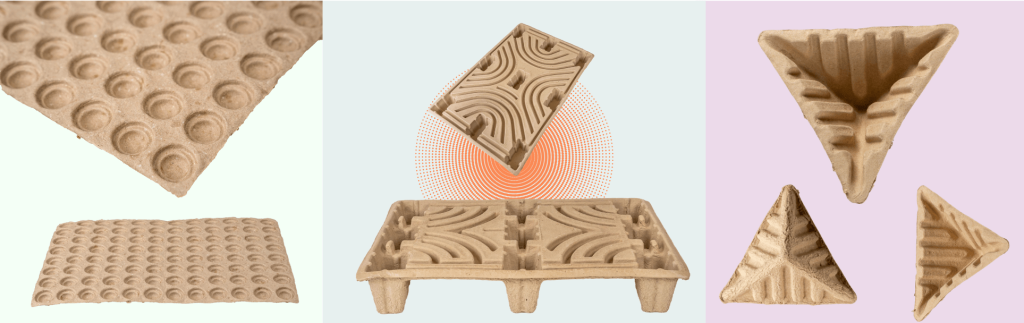
Think about the last time your team spent ages assembling multi-part cardboard inserts. Each extra fold, each tiny adjustment, it adds up. Now, imagine replacing all that with a single, molded pulp insert that fits perfectly the first time. No fuss. No glue. No extra hands needed.
For high-volume packing lines, this literally changes everything. Products go in faster, less mistakes happen, and staff can focus on other tasks. It’s efficiency you feel in every shift and it’s one of the reasons 2026 is the year to act.
Saving on transport without even trying
Shipping costs aren’t just numbers on a spreadsheet. They hit your bottom line every time a pallet leaves the warehouse. Molded pulp inserts are lighter, stack neatly, and take up less space than clunky cardboard. That means lower inbound and outbound transport costs.
And it’s not just the pallets. Smaller, better-structured packaging fits more into each truck, uses less warehouse space, and makes moving products around easier. The result? A smoother, cheaper supply chain and who doesn’t want that?
Quality you can feel
Here’s the thing about molded pulp: it doesn’t just protect your products. It feels solid, looks premium, and says something about your brand. Customers notice these things. Even subconsciously.
Durable, shock-absorbing, and perfectly shaped to your product, a pulp insert keeps fragile items safe and gives your packaging a premium touch without resorting to overcomplicated designs. In a world where the first impression often happens before the customer touches your product, that’s a huge advantage.
Sustainability: More than a buzzword
Yes, compliance matters. But there’s also brand perception. Molded pulp is recyclable, often made from post-consumer material, and aligns perfectly with the push for greener packaging. Showcasing this commitment can actually influence buying decisions and strengthen loyalty. It’s a win-win: regulatory alignment and sustainability, without extra effort.
Flexibility that makes life easier
Products come in all shapes and sizes. One of the biggest advantages of pulp inserts is custom molding. Each product gets a snug fit, reducing movement, preventing damage, and improving the unboxing experience.
This flexibility also makes scaling simpler. Launching new products? No need to reinvent the wheel. Adjust your insert design and you’re good to go. Returns are easier to handle too, thanks to the durability of the pulp.
Quick wins you might not have thought about
Fewer packing errors. Seriously, one-piece inserts simplify everything.
Easier returns management. Durable inserts survive multiple shipments.
Cost-effective for multiple SKUs. Slight tweaks, and the same insert fits another product.
Premium perception, without spending a fortune.
FAQ: What packaging pros want to know
How long does it take to transition?
That depends. Piloting a single line can take weeks, full adoption a few months. Start now to avoid last-minute headaches.
Are molded pulp inserts safe for fragile items?
Absolutely. They’re shock-absorbing, form-fitting, and reliable.
Does this cost more than cardboard?
Maybe upfront, but the savings you are getting in labor, shipping, and storage will usually offset initial costs quickly.
Can it still look premium?
Yes. Smooth finishes, colors, or subtle branding can make molded pulp look upscale and high-quality.
Certifications to watch for?
Look for FSC certification, recycled content, and suppliers committed to circular economy practices.
Why 2026 is the year to act?
Delaying isn’t just about risking fines. It’s about missing out on operational efficiency, cost reductions, and brand advantages. Switching to molded pulp inserts and optimizing your packaging means faster packing, cheaper shipping, better product protection, and an eco-friendly image.
In short, 2026 is the year to make packaging work for you, not against you. Start evaluating now, and you’ll see the benefits ripple through your entire supply chain.